
Asino Crypto Casino Australia: Assets, Networks and Practical Banking
 Available in US
Contents
Asino’s cashier model is built around cryptocurrency. It supports 11 assets – USDT, USDC, SOL, ETH, BNB, TRX, GRAM, POL, BTC, LTC and TRUMP – across nine network families: ERC-20, BEP-20, TRC-20, Polygon, TON, Bitcoin, Solana, Litecoin and TRUMP. That makes crypto a core banking feature rather than an optional extra. For an Australian reader, the important decision is whether this setup matches how you already manage money. The Reserve Bank of Australia’s 2025 Consumer Payments Survey found that only around 2% of respondents had used cryptocurrency to make a payment in the previous year, so a crypto-first cashier is materially different from the payment habits of most consumers. The practical rule is simple: choose the asset and network together, verify both before sending, and never assume that the same token symbol makes two blockchain routes interchangeable.
Which cryptocurrencies does Asino support?
Asino supports 11 crypto assets in the available payment information. Stablecoins are represented by USDT and USDC. Network-native or market-priced assets include SOL, ETH, BNB, TRX, POL, BTC and LTC. GRAM and TRUMP also appear in the supported set. The list matters because it shows that Asino is not simply a Bitcoin casino with one alternative coin added to the cashier. The platform is designed around multiple crypto rails.
- USDT
- USDC
- SOL
- ETH
- BNB
- TRX
- GRAM
- POL
- BTC
- LTC
- TRUMP
The wider Asino payments section contains the full deposit-minimum matrix and broader cashier details. Here, the emphasis is on choosing the correct asset and network rather than repeating every table row.
Nine network families create more than nine payment choices
The supported network families are ERC-20, BEP-20, TRC-20, Polygon, TON, Bitcoin, Solana, Litecoin and TRUMP. The number of practical deposit routes is larger than the number of network names because several assets can travel over more than one network. USDT is the clearest example: Asino lists it on ERC-20, BEP-20, TRC-20, Polygon and TON. USDC appears on ERC-20, BEP-20 and Polygon.
This is where crypto banking differs from selecting a familiar card logo. The asset name alone is not sufficient. A USDT deposit address on TRC-20 should be treated as a different route from USDT on ERC-20. The same token label does not make the destination compatible with every chain that carries that token.
Selected minimums show why the network matters
The deposit thresholds are set in the native asset unit, not in Australian dollars. A few examples illustrate the structure without duplicating the full cashier matrix:
| Route | Recorded minimum | What it shows |
|---|---|---|
| ERC-20 USDT | 5 USDT | A stablecoin minimum tied to one specific chain. |
| TRC-20 USDT | 5 USDT | The same asset can exist on a different supported route. |
| ERC-20 ETH | 0.003 ETH | A minimum expressed in a market-priced native asset. |
| Bitcoin BTC | 0.00008 BTC | A dedicated Bitcoin-network threshold. |
| Solana SOL | 0.07 SOL | A dedicated Solana route with its own native-unit minimum. |
These values should stay in their original units. Turning 0.003 ETH or 0.00008 BTC into a fixed AUD figure would quickly become stale because the exchange value changes. The useful comparison is therefore structural: which asset you hold, which network your wallet supports, and whether the cashier minimum fits the amount you intend to transfer.
Why network matching is the central practical risk
Crypto transfers are not forgiving of casual network selection. A user can select the correct asset but still choose an incompatible chain in the sending service. That is different from entering the wrong payment reference in a conventional bank flow, because blockchain transfers are normally designed to be final once confirmed.
- Open the deposit route you actually intend to use. Do not copy an address from an earlier session or a different asset.
- Read the network label next to the destination. Treat ERC-20, BEP-20, TRC-20, Polygon and TON as distinct routes even when USDT is available on all of them.
- Match the sending network exactly. The wallet or exchange withdrawal screen should show the same chain as the casino deposit route.
- Check the minimum in the same unit. A minimum in ETH, BTC or SOL should not be converted into a permanent AUD number.
- Review the destination again before authorising the transfer. Address accuracy and network accuracy are separate checks.
This process is more important than choosing the network that looks cheapest or fastest. No fixed blockchain fees or transfer times are confirmed for every route, so one network should not be assumed to always cost less or settle sooner than another.
Stablecoins can simplify budgeting, but not network selection
USDT and USDC can be easier to reason about than a volatile asset because their unit values are intended to track a fiat reference more closely. That does not remove the chain decision. The same stablecoin can still be moved through several incompatible network routes, and the sending platform can present different fees or withdrawal rules for each route.
For an Australian user budgeting in AUD, this creates two separate conversion questions. First, how much crypto is needed for the intended casino deposit? Second, what will the wallet or exchange charge to acquire and send that crypto? Asino’s recorded deposit minimum does not answer the second question. It describes the casino-side threshold for the route, not the all-in cost of getting funds from an Australian-dollar balance to the destination wallet.
Bitcoin and native-asset deposits behave differently from an AUD budget
BTC, ETH, SOL, BNB, TRX, POL and LTC are represented by amounts in their own units. That means the AUD value of a minimum can move even when Asino’s native-unit threshold stays unchanged. If you are working with a fixed Australian-dollar entertainment budget, calculate the current conversion immediately before funding rather than relying on an old image or article.
A permanent AUD equivalent is not shown next to each crypto minimum. The original crypto amount is the verified fact. Any AUD conversion would require a time-specific exchange rate and would stop being reliable as the market moves.
Australian payment habits make a crypto-first cashier a real adoption decision
The local context is unusually important here. The RBA’s 2025 Consumer Payments Survey found that cryptocurrency awareness was relatively high, but actual payment use remained low: around 2% of respondents said they had used cryptocurrency to make a payment in the prior year. In other words, many Australians know what crypto is without using it as an everyday payment rail.
That matters because Asino’s cashier setup is not simply offering crypto alongside the conventional methods a mainstream Australian user already uses. Crypto is the defining payment architecture. If you already hold supported assets and understand wallets and networks, that can reduce friction. If you normally rely on cards, bank transfer or PayID, the setup introduces extra steps before the casino transaction itself: acquiring crypto, choosing a compatible network, moving it from a wallet or exchange and tracking its value in AUD.
The point is not that one method is universally better. It is that the suitability test is different. A crypto-first casino can be operationally simple for an experienced crypto user and unnecessarily complicated for someone who only wants a familiar local payment flow.
Depositing and withdrawing are separate decisions
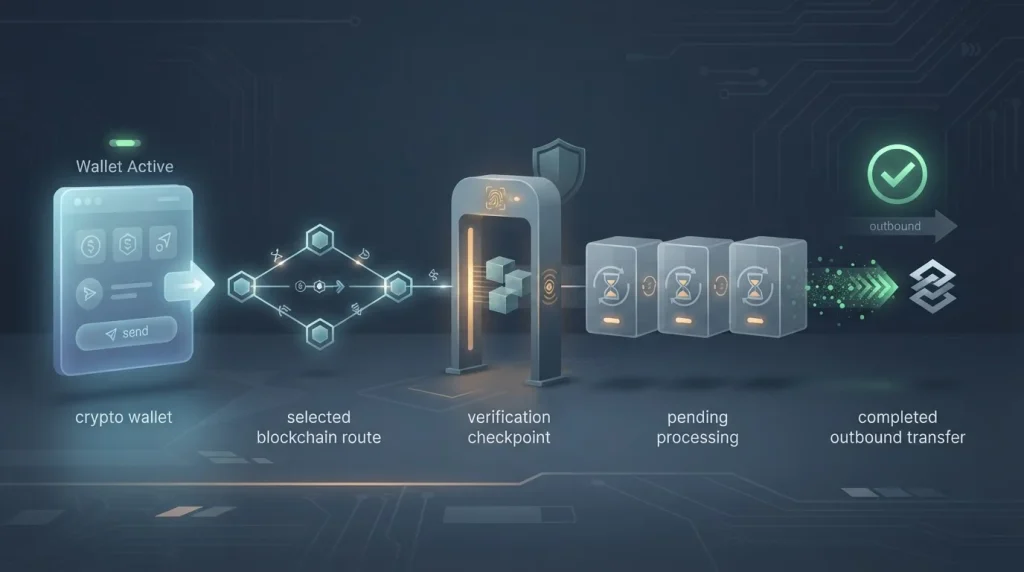
A deposit route being supported does not automatically tell you the withdrawal minimum, approval process, account-review stage or cashout timing. Those are separate operational facts. Before choosing a deposit asset, it is sensible to understand how you expect to receive funds later and whether the intended receiving wallet supports the same asset and network.
The dedicated Asino withdrawals guide separates verified cashout facts from fields that are not established across every route. That separation matters because deposit thresholds should not be reused as withdrawal thresholds, and a blockchain confirmation estimate should not be presented as an operator processing guarantee.
Australian tax: gambling winnings and crypto disposal are different questions
Australian tax treatment needs two layers of analysis. ATO guidance states that betting and gambling wins are generally not assessable income unless the activity amounts to carrying on a betting or gambling business. That is why it is misleading to turn the issue into a blanket slogan that every gambling outcome is always tax-free in every circumstance.
Crypto adds a second event. If crypto received from gambling is later held and then disposed of, ordinary crypto capital-gains rules can become relevant to that later disposal. Selling crypto for AUD, exchanging one crypto asset for another, or otherwise disposing of an investment crypto asset can be a CGT event. The later crypto disposal should therefore be considered separately from the original gambling outcome.
This is a practical distinction, not personalised tax advice. A reader with a significant balance, business-like gambling activity or complex crypto history should use current ATO guidance or obtain professional advice rather than assuming that the tax treatment of the win automatically determines the treatment of every later crypto transaction.
Crypto support does not answer the Australian licensing question
Payment capability and regulatory status are different facts. The existence of Bitcoin, USDT or other crypto routes does not by itself establish whether an operator holds an Australian licence or whether a particular online gambling service can lawfully be offered in Australia. Those questions belong in the site’s separate regulatory analysis.
For the licence, legal framework and Australia-specific trust assessment, use the legal and trust context page. Keeping the topics separate avoids turning a technical payment feature into an unsupported legal conclusion.
Who is Asino’s crypto setup best suited to?
The strongest fit is a user who already understands self-custody or exchange withdrawals, checks network compatibility before sending, and is comfortable managing a gambling budget that begins in AUD but moves through crypto units. The weaker fit is someone who wants a one-step local bank or card experience and does not otherwise use cryptocurrency.
Before depositing, ask four questions: Do I already hold one of the supported assets? Can my wallet or exchange send it on the exact network shown by Asino? Do I understand the minimum in the native crypto unit? And have I checked the separate withdrawal route before committing a larger balance? If the answer to any of those is no, the extra operational friction is part of the product decision, not a minor setup detail.
FAQ
Does Asino support Bitcoin?
Yes. BTC is one of the 11 supported assets in the supported payment set, with Bitcoin listed as its network family. The recorded Bitcoin deposit minimum is 0.00008 BTC.
Does Asino support USDT?
Yes. USDT is supported across several recorded networks, including ERC-20, BEP-20, TRC-20, Polygon and TON. You must match the sending network to the deposit route rather than relying on the USDT symbol alone.
Can I deposit with PayID or a bank card?
Those methods are not part of the available Asino payment options and are not presented as fallbacks. The cashier model is crypto-first.
Are Asino crypto winnings tax-free in Australia?
That description is too broad. ATO guidance generally treats recreational betting and gambling wins as non-assessable unless the activity is a business, while a later disposal of crypto that has been held can have separate CGT consequences.
Bottom line
Asino’s crypto offer is best understood as a network architecture, not a list of coin logos. Eleven assets across nine network families provide multiple routes, but that flexibility increases the importance of matching the chain correctly. For Australians, the cashier also represents a meaningful change from ordinary payment behaviour because crypto use for everyday payments remains uncommon. If you already know how to move crypto, the setup is coherent. If you do not, the extra acquisition, network-selection and later tax-record considerations should be part of the decision before you deposit. For the wider brand picture, return to the Asino review Australia.
This material was created by the Asino Australia Guide team.
Related posts
Asino Withdrawals: Minimums, Processing and Verification
Asino Pokies: Slots, Categories and Featured Titles